
Lessons
Margin Level Explained: Why Traders Get Stopped Out
The Call Nobody Answers
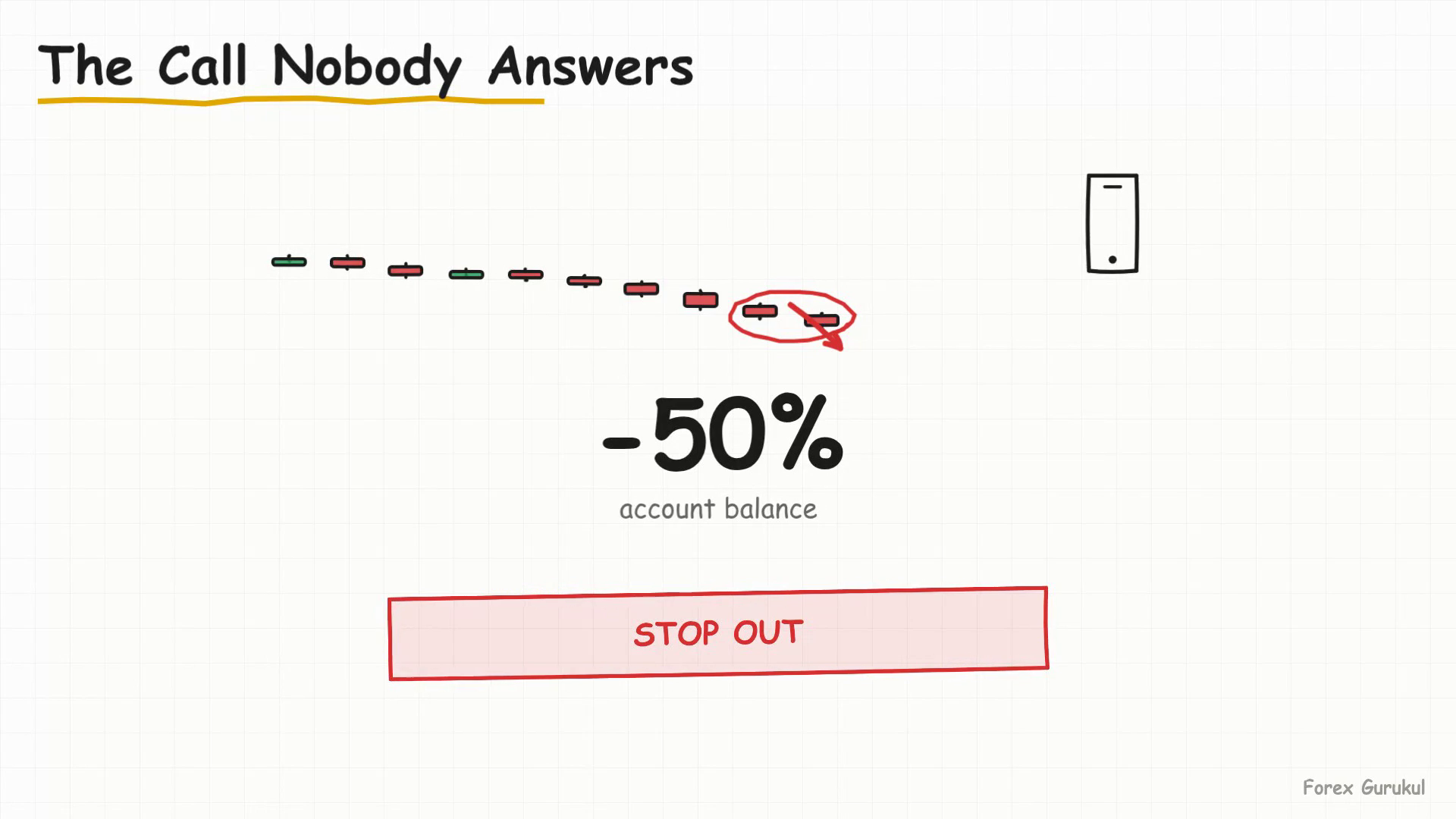
Maria opens a two thousand dollar trading account, drops it into a EUR/USD buy, and steps away for lunch. She never sets a stop loss, she figures the euro will bounce back, it usually does. As of today, EUR/USD is trading around $1.1541 to $1.1555, a level that can easily swing 40-60 pips within an hour on no news at all. Forty minutes later she checks her phone and half her account is gone, and a trade she never told anyone to close has already been closed for her, by the platform itself.
She did not get hit by a market crash. She got hit by something called margin, and until that afternoon she had never once looked at what that word actually meant on her own trading screen. By the end of this article, you will know exactly why her platform pulled the trigger before she did, and exactly which number on your account is the one thing standing between you and that same phone call.
Margin Is Not A Fee
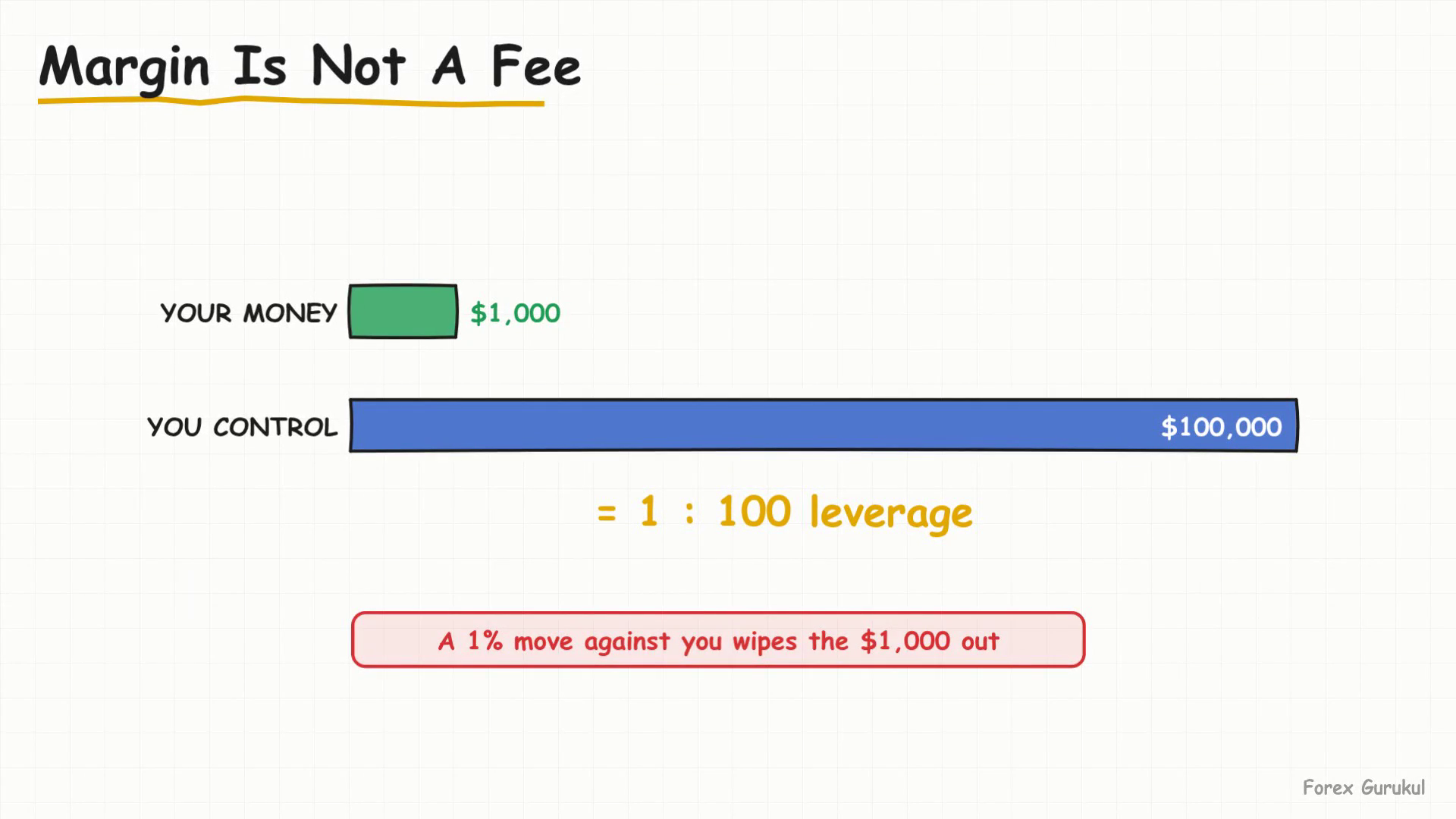
Here is the myth to bust first: margin is not money you spend, and it is not a fee your broker charges you. It is a good faith deposit, a slice of your own balance that gets set aside, locked in reserve, the moment you open a leveraged position.
Say your broker offers 50:1 leverage. To control a position worth $50,000 in EUR/USD, you do not need $50,000, you only need about $1,000 of your own cash held back as margin. That locked slice still belongs to you. It is just frozen, doing its job as collateral for the size of the trade you are controlling.
| Leverage | Position Size | Margin Required |
|---|---|---|
| 10:1 | $50,000 | $5,000 |
| 30:1 | $50,000 | $1,667 |
| 50:1 | $50,000 | $1,000 |
| 100:1 | $50,000 | $500 |
Used Margin vs Free Margin
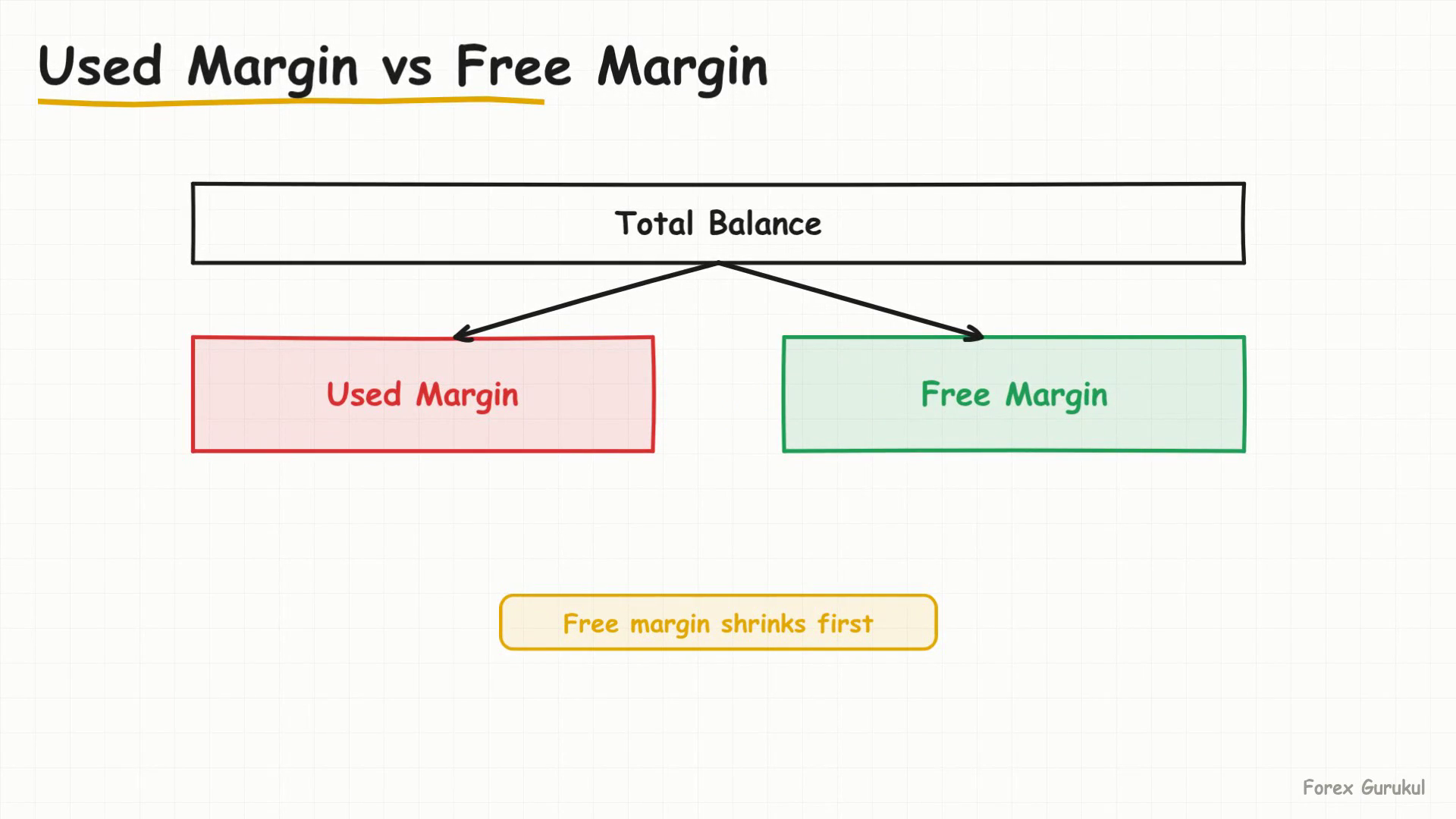
But if margin is only a slice of Maria's balance, what happened to the rest of it? That is exactly where the terminology most traders skip actually starts to matter. Split any trading balance into two buckets.
- Used margin — the total of every slice locked up across all your open trades right now.
- Free margin — what's left over: cash you could still use to open a new trade, or the cushion that absorbs losses before they touch the locked portion.
When a trade is winning, free margin grows. When a trade is losing, free margin shrinks first, before it ever eats into the used portion. Maria's mistake was not opening the trade — it was never checking how thin that free margin cushion had gotten while EUR/USD kept drifting against her.
Margin Level: The Health Gauge
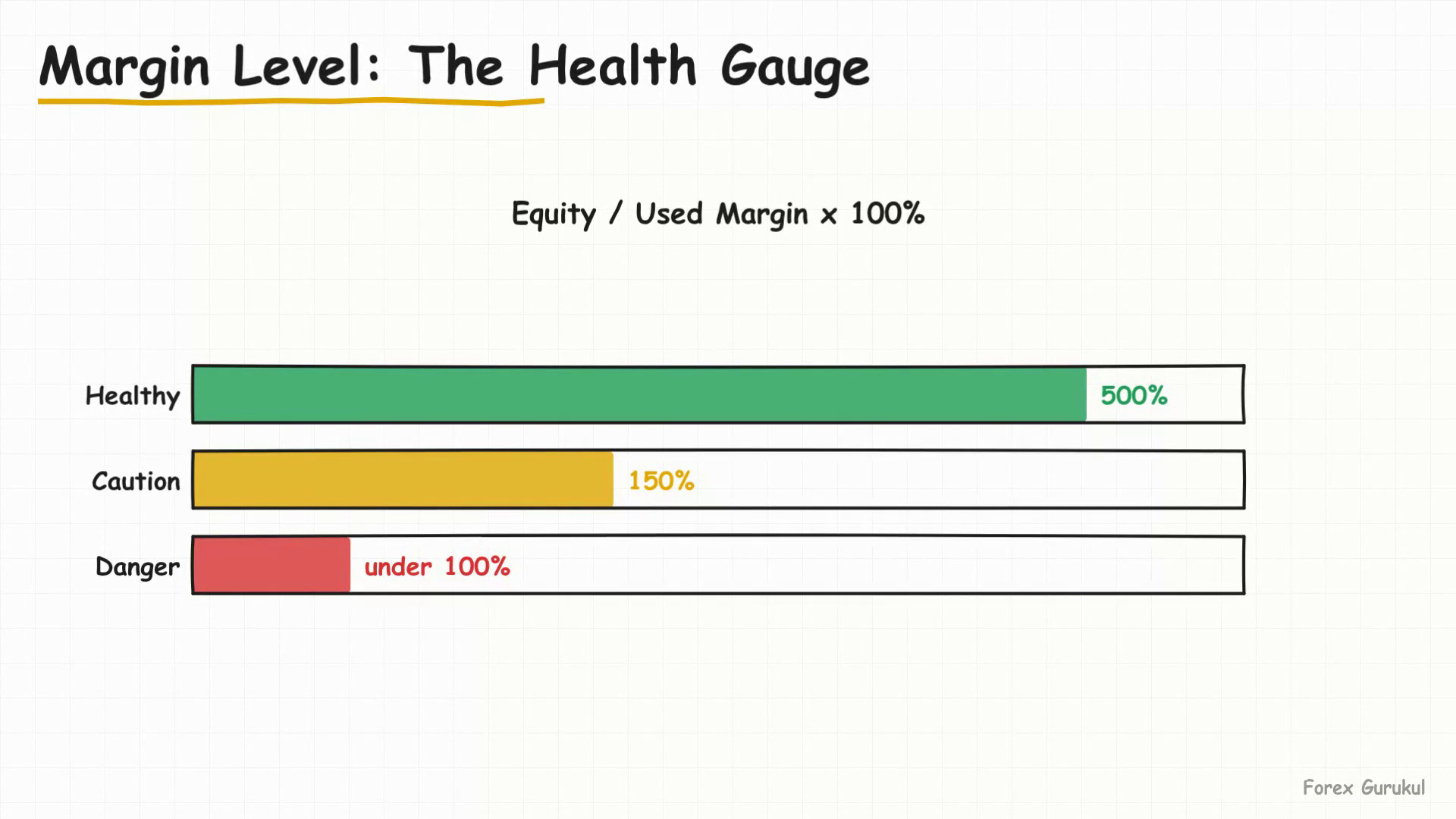
That cushion is not measured in dollars alone — it's measured as a percentage, and that percentage has a name that decides everything: margin level. It is the single number every serious trader glances at before anything else.
The formula is simple:
Equity is your balance adjusted for any open profit or loss. A margin level of 500% means plenty of breathing room. A margin level crawling down toward 100% means your equity has shrunk until it barely covers what's locked up.
| Margin Level | What It Means |
|---|---|
| 500%+ | Healthy — comfortable room to absorb drawdowns |
| 200%–500% | Acceptable — monitor if volatility rises |
| 100%–150% | Caution zone — approaching most brokers' margin call line |
| Below 100% | Danger — margin call likely already triggered |
| At stop out level (varies by broker, often 20%–50%) | Platform begins force-closing positions |
This is the number this entire article has been building toward, because once you can read margin level at a glance, every warning your platform gives you starts making sense before it becomes a problem. This was the gauge quietly dropping on Maria's screen the entire time she was at lunch.
Call, Then Stop Out
Pause for a second and guess: does the margin call happen before your trade gets closed, or is it the closing itself? Most new traders guess wrong.
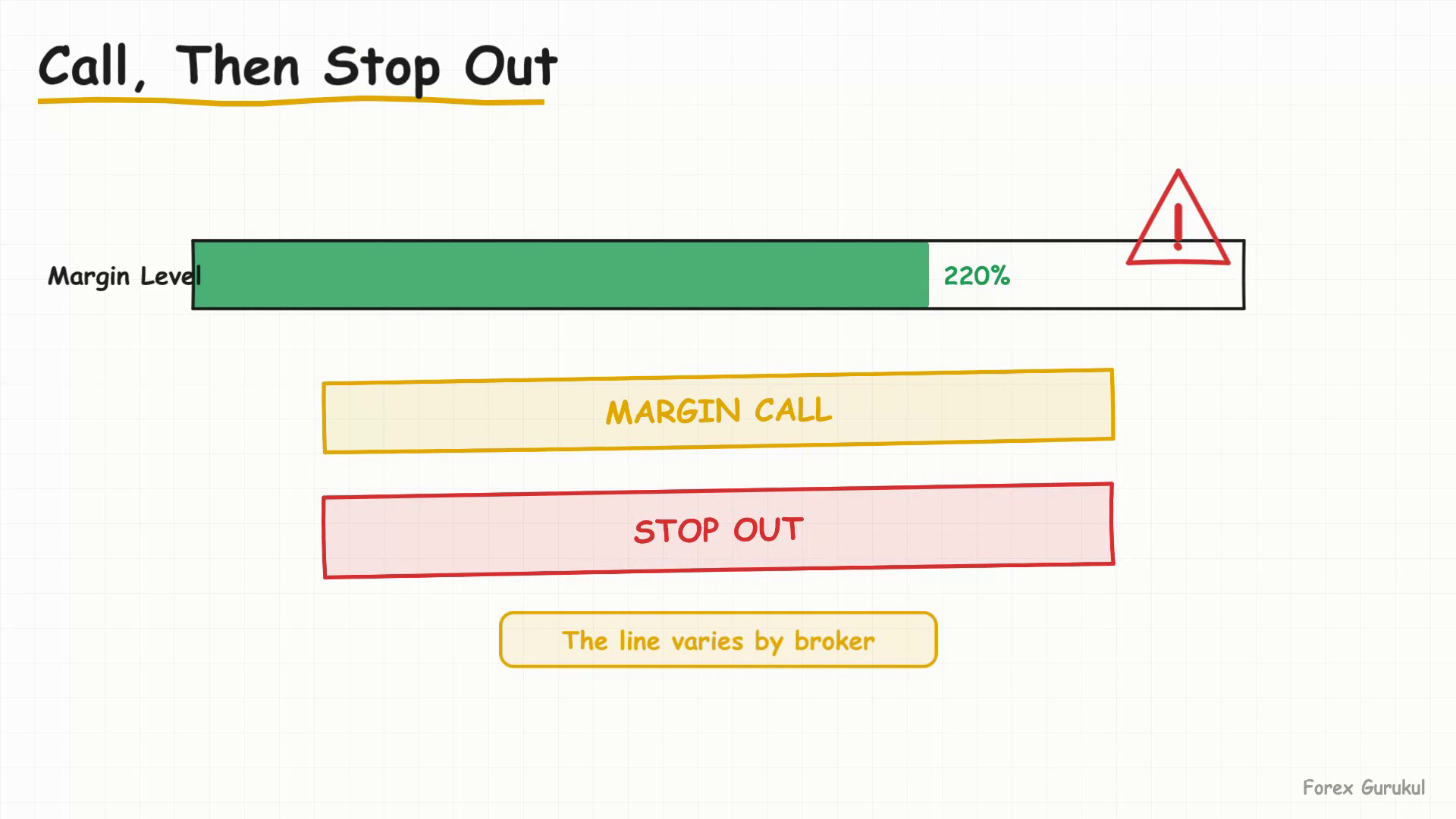
A margin call is only a warning — sometimes just a color change on your platform — telling you the margin level has dropped to a broker-set line, often somewhere near 100%, though the exact line varies by broker. Nothing closes yet; it's your last chance to add funds or close a losing trade yourself.
Ignore it, and the margin level keeps falling until it hits a second, lower line: the stop out level. That is not a warning anymore — that is the platform automatically closing your open positions, starting with the biggest loser, whether you agreed to it or not.
| Stage | Trigger | What Happens |
|---|---|---|
| Margin Call | Margin level hits broker's call threshold (commonly ~100%) | Warning shown; no positions closed yet |
| Grace Window | Margin level lingers near the call line | Trader can deposit funds or manually close trades |
| Stop Out | Margin level falls to broker's stop out threshold (commonly 20%–50%) | Broker automatically closes positions, starting with the largest loss |
This is exactly what happened to Maria — her margin level slid from the call line to the stop out line while she wasn't watching.
Find Your Own Danger Zone
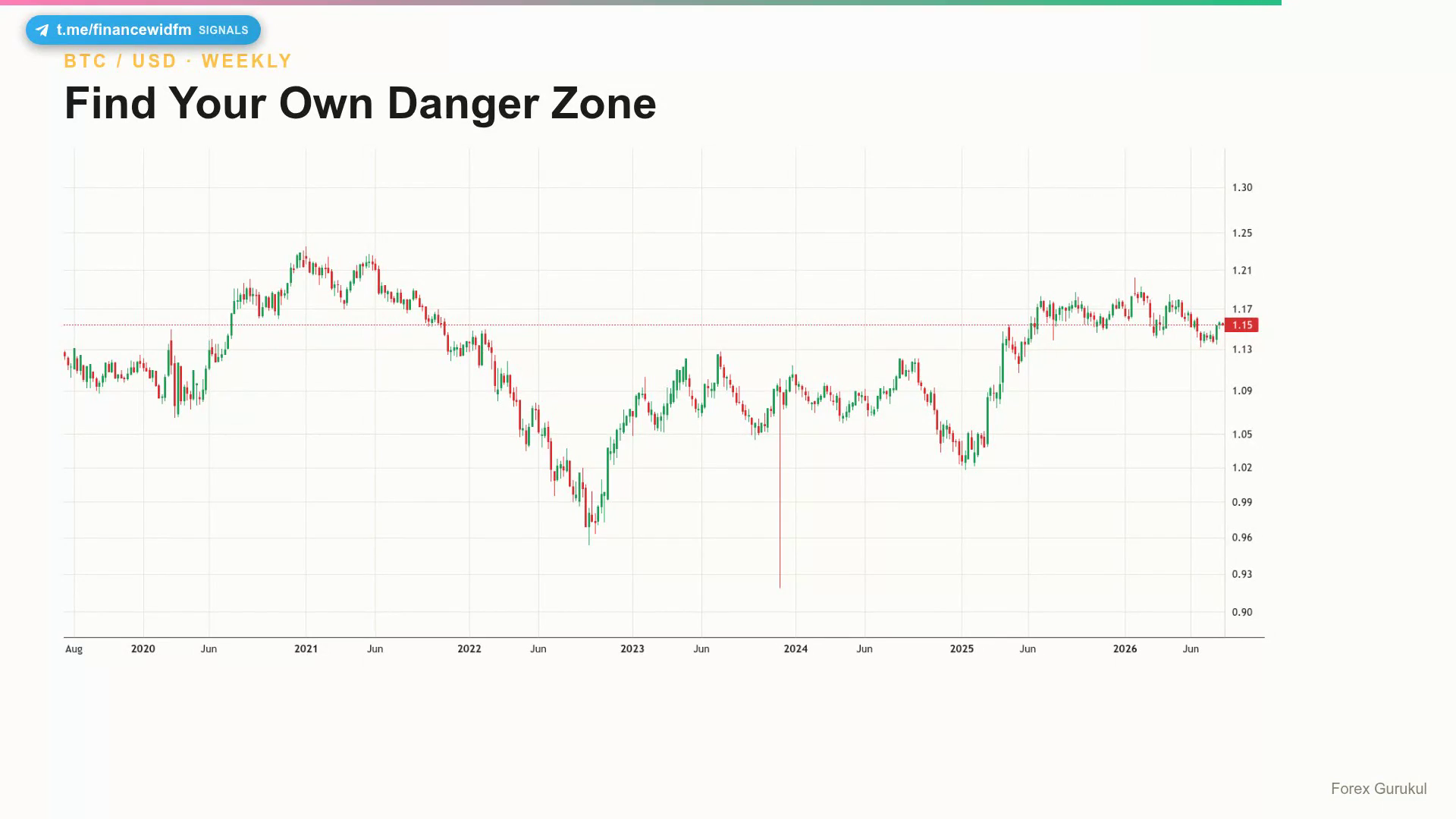
Here's a live EUR/USD reference: the pair is currently sitting around $1.1541–$1.1555, having ranged between roughly $1.1325 and $1.2024 over the past several weeks. Pull up this exact pair or your own open position, and do the math yourself: look at how many pips a recent candle moved, multiply that by your position size, and ask how much that swing would shave off your equity.
Then check your own margin level on your platform and see how close a move of that size would actually push you toward the call line. Don't just take a formula's word for it — hunt for the moment on your own screen where a real price swing would have mattered.
For context, the ECB's euro reference rate and live feeds from Yahoo Finance both update throughout the trading day — the number that matters for your account isn't the headline rate, it's how that rate interacts with your leverage and lot size.
The Five Numbers On Your Screen
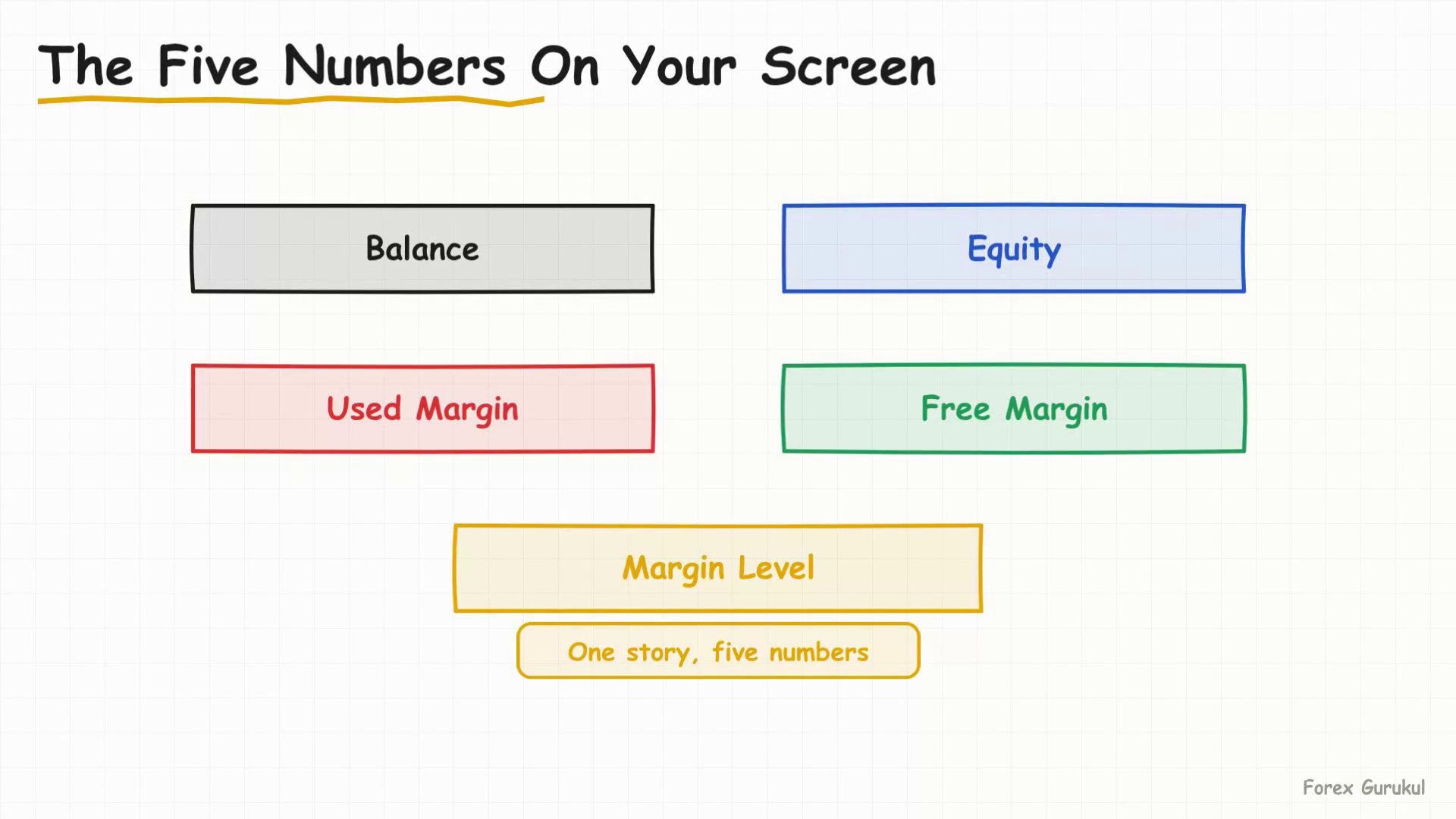
Every trading platform puts a small handful of numbers in a corner of your screen, together called your account metrics. They're not five separate stories — they're one story told five different ways, because the moment price moves even a little, more than one of these numbers changes at the exact same time.
| Metric | Definition |
|---|---|
| Balance | Total cash from fully closed trades, deposits, and withdrawals. Doesn't move while a trade is open. |
| Equity | Balance adjusted live for whatever your open trades are doing right now. |
| Used Margin | Total of every margin slice locked across all open trades. |
| Free Margin | Equity minus used margin — the cushion available for new trades or losses. |
| Margin Level | (Equity ÷ Used Margin) × 100 — the health gauge of your account. |
That is the part most tutorials skip entirely: these five numbers move together, in real time, on the same screen you're staring at right now.
Remember
Context beats the pattern, the stop is what saves you, and nothing replaces practice on a live chart.
- Margin is collateral, not a cost — it's your own money, temporarily locked.
- Free margin shrinks before used margin ever does — watch it closely.
- Margin level = (Equity ÷ Used Margin) × 100 — memorize this formula.
- A margin call is a warning. A stop out is an action. Don't wait for the second one.
- Check your broker's exact call and stop out thresholds — they are not universal.
Key takeaways
- Margin is a locked slice of your own balance, not a fee — it exists as collateral for your position size.
- Free margin absorbs losses first; when it runs out, your margin level starts sliding toward the call line.
- Margin Level = (Equity ÷ Used Margin) × 100 — this is the single most important number on your trading screen.
- A margin call is only a warning; a stop out is the broker automatically closing your positions for you.
- Call and stop out thresholds vary by broker — know your specific platform's numbers before you trade.
Frequently asked questions
What is a good margin level to maintain?
Most experienced traders try to stay above 200%-300% margin level as a comfortable buffer, though this depends on your risk tolerance and position sizing.
Does a margin call mean I've lost money?
Not necessarily lost, but it means your equity has shrunk close to your used margin — your open positions are currently showing losses large enough to trigger the broker's warning threshold.
Can I prevent a stop out?
Yes — by using stop losses, trading smaller position sizes relative to your account, adding funds when you get a margin call, or manually closing losing trades before the platform does it for you.
Is the margin call level the same at every broker?
No. Margin call and stop out thresholds vary by broker and by regulatory jurisdiction (e.g., ESMA, ASIC, FCA rules differ), so always check your specific broker's margin policy.
What's the difference between balance and equity?
Balance is your account value from fully closed trades only — it doesn't move while trades are open. Equity is your balance adjusted live for the current profit or loss of open positions.